

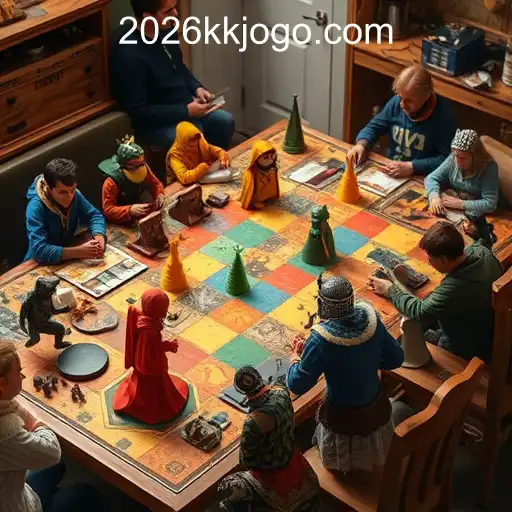
Exploring the World of Tabletop Games: A 2026 Perspective
Tabletop games have been a cornerstone of entertainment for decades. From classic board games to modern strategic experiences, the appeal of gathering around a table to play is undeniable. In 2026, the landscape of tabletop gaming offers a mix of nostalgia and innovation, providing a dynamic environment for players of all ages.
The Evolution of Tabletop Games
The history of tabletop games is rich and diverse, tracing back to ancient times. Games have evolved tremendously, moving from simple pastime activities to complex strategic contests that often mirror real-life scenarios. This evolution is evident in the array of games available today, catering to various tastes and styles.
From the classic charm of chess or Go to the immersive universes found in role-playing games like Dungeons & Dragons, the breadth of tabletop games is vast. Newer games often incorporate advanced mechanics and compelling storytelling, offering immersive experiences that captivate the imagination of players.
Gameplay Mechanics and Strategies
In the world of tabletop games, strategy plays a critical role. Whether it's forming alliances in a game of Risk or carefully planning resources in Settlers of Catan, players are required to think ahead and adapt their strategies. This intellectual exercise is one of the reasons why tabletop games are so engaging.
Game mechanics vary widely, from card-driven systems, as seen in games like Magic: The Gathering, to intricate miniatures used in war games such as Warhammer. These mechanics offer different challenges and require varying levels of tactical thinking.
Rodadas Grátis Brasil 2026kk and the Tabletop Scene
The emergence of "2026kk rodadas grátis Brasil" reflects the growing trend of gamification in various sectors. This concept is not isolated to digital gaming but extends into tabletop experiences, where promotions and rewards are used to enhance engagement. In Brazil, the fusion of traditional gameplay with innovative promotions is drawing new players into the tabletop community.
These "rodadas grátis" or free rounds encourage players to explore games without financial commitment, promoting inclusivity and accessibility. As tabletop games grow in popularity across Brazil, these incentives play a significant role in attracting diverse audiences.
Social Dynamics and Community Engagement
One of the most compelling aspects of tabletop games is their ability to bring people together. Whether it's a family game night or a competitive tournament, these games foster social interaction. They provide a platform for players to build friendships, strengthen bonds, and even develop communities centered around shared interests.
In 2026, tabletop gaming events and conventions are more popular than ever, serving as hubs for enthusiasts to connect. In Brazil, the community-driven approach has made tabletop games a cultural phenomenon, with rapidly growing fanbases and organized events.
Innovations and Trends in Tabletop Gaming
The tabletop gaming industry is not resting on its laurels, with constant innovations shaking up the scene. Hybrid games combining digital elements with physical components are on the rise. These games use apps or online platforms to enrich gameplay while preserving the tactile experience of physical objects.
Another trend is the increased focus on storytelling and narrative-driven games. Titles like Gloomhaven or Betrayal at Baldur's Gate offer deep, immersive stories that players can explore and influence. These games often feature branching narratives, providing different outcomes based on player choices.
Sustainability and Production
As sustainability becomes a focal point globally, tabletop game producers are taking steps to ensure their products align with eco-friendly practices. From using recycled materials to minimizing plastic components, the industry recognizes the importance of reducing its environmental impact.
Many publishers are also adopting crowdfunding models, allowing communities to drive production decisions. This approach not only democratizes the creation process but also ensures that games resonate with the audience from conception to final product.
The Impact of Tabletop Games Beyond Entertainment
Beyond their entertainment value, tabletop games offer educational benefits. They can improve cognitive abilities, such as problem-solving and critical thinking, as well as social skills. Games like Pandemic or Sherlock Holmes Consulting Detective require players to analyze situations and collaborate, honing these valuable skills.
Moreover, some educational institutions incorporate tabletop games into their curriculum, recognizing their potential as tools for learning and engagement. The ability to simulate historical events or complex systems in a game format makes these experiences both informative and enjoyable.
Conclusion
Tabletop games remain a beloved pastime with a future that's as bright as its past. As the industry continues to evolve and innovate, the core essence of gathering around a table to engage with others remains unchanged. Whether through new gameplay mechanics or the incorporation of digital elements, these games offer timeless enjoyment for players everywhere.